Careers

What do you want to be when you grow up? This question can be stressful! If you currently do not know- that’s ok!
Career Exploration can be the perfect best step in your planning process.

See Where the Jobs Are

Our Skilled Trades and Healthcare Career Pathways Guidebooks were created to help students, families, and adults explore high‑demand jobs in Mason and Oceana Counties. These guides break down training options, credentials, and local opportunities in clear, accessible language—supporting informed decisions about education and career paths. The Skilled Trades guide has already become a trusted resource in our schools and community, and our new Healthcare guide builds on that momentum to highlight essential careers shaping our region’s future.

This Skilled Trades Educational Pathways guide highlights the many training, certification, and degree options available across West Michigan for students interested in hands‑on, high‑demand careers. It brings together key resources, local training programs, financial aid information, and career outlooks to help learners explore fields like electrical work, HVACR, welding, automotive technology, construction, plumbing, and more. The guide also showcases community partners and support organizations dedicated to helping individuals build skills, access funding, and connect with employment opportunities.

The Healthcare Pathways Guide is a resource highlighting in‑demand healthcare careers across our region and outlines the educational entry points students can take to begin each pathway. The guide is organized into 5 pathwaysDiagnostics & Testing, Therapeutic Services, Patient Care, Office Administration & Information Systems, and Specialized Health Careers.

This career guide helps bridge information gaps, spark conversations, and connect youth and adults to clear training and education pathways.

Explore Career Clusters

Career Clusters help you explore broad groups of careers based ion skills and interest, they make it easier to see which paths might be a good fit. Exploring clusters in a great first step if you’re not sure where to begin or want to compare different fields.
Take this short Interest Quiz (English/Spanish) and click Get Started to see which career aligns with your interest!

OR Narrow down your options by considering a few career clusters that spark your interest. Below you’ll find a list of 6 clusters:

Each cluster contains dozens of specific careers and training options, from certificates and apprenticeships to 2 & 4-year degree.

More Resources

MAJORS/MINORS

Now What? Picking a Program/Major

Now that you’ve explored different careers, you might consider aligning your interest and strengths with academic programs. Once you’ve identified your interest and career options, you can find college majors that are related to that career. Make these connections by learning more about majors below.

Most students change major at least once and many students switch several times. Sometimes the major you declare doesn’t end up being the right one. If you decide to change your major, make sure to meet with your counselor for guidance on picking a new major and setting up your credits to ensure the credits you need align with your expected graduation date.

Understanding Majors, Minors, & Programs

Definitions

What is a Major? Minor?

No matter whether you’re pursuing a certificate, Associate’s degree, or Bachelor’s degree, you will need to choose a program or major. Bachelor’s degrees often offer multiple majors and minors. Examples: A student may major in Political Science and minor in Spanish. Another may double major in Art and Communications. Both can still complete their degree in four years with proper planning. Certificates and Associate’s degrees can be more specific such as Carpentry, Electronics, or Welding.

It is OK if you go to college undecided or if you change your major, but hopefully you can pick the right career cluster so you complete your program on time!

Explore Majors

Use tools like BigFuture’s Major & Career Search to explore majors that match your interest. You can also take quizzes or assessments to help you find program that align with your personality, strength, and long-term goals. 

Use the U.S. Department of Education College Scorecard by clicking on the Compare Colleges button to filter through colleges that might be a good fit.

Filter Schools based on:
  • Location
  • Areas of study
  • Majors offered
  • Degree types
  • Campus size
  • and much more!

This helps you find colleges that offer the program you’re interested in and fit your personal preferences. 

Picking a Program/Major: Checklist

Use these questions to guide your decision:
  • What types of jobs can you get with this program or major?
  • What is the job outlook – growing or shrinking job market?
  • What is the cost of the progam?
  • How much can you earn in this field?
  • Will you need an advanced degree (more than a Bachelors) to find a job?
  • Does the program align with your interest?
  • Does it match your personality type?
  • Does this major make you excited and motivated to go to college?

Check out these additional resources on picking a program or a major(s)/minor(s)!

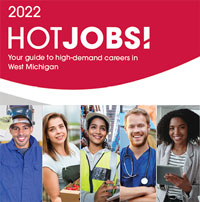
HOT JOBS IN MICHIGAN!

Click Here to view Michigan’s Hot Jobs through 2028!
What Is "College"?

College is all post-secondary education including certificate programs, trade schools, community colleges and 4 year colleges and universities. Learn More